


Powdered urine, a type of synthetic urine, is essentially human urine that has been dehydrated. Unlike synthetic alternatives, it preserves natural components such as uric acid, mimicking real urine. It can be manufactured in a laboratory, purchased commercially, or prepared at home.
Components of Powdered Urine Kits:
- Mixing vial
- Temperature strip
- Heaters
- Optional test kits
To use powdered urine, mix it with lukewarm water and then heat the mixture. Accurate test simulation relies on maintaining the appropriate temperature, which can be monitored using the included temperature strips.
Advantages and Disadvantages of Powdered Urine

Advantages:
- Effectiveness: Powdered urine provides a convenient and straightforward solution for individuals seeking quick and efficient results in various testing scenarios.
- Two-Year Shelf Life: The inclusion of real urine content contributes to a two-year shelf life, offering users a prolonged window of usability compared to other synthetic alternatives.
- Simple Operation: The process of utilizing powdered urine is relatively simple, requiring minimal steps and occasional adjustments to the heater.
Disadvantages:
- Supervised Test Discouragement: Powdered urine may not be suitable for supervised tests where direct observation is required. The nature of its use may deter individuals from choosing this method in such scenarios.
- Heater Management: Users need to pay occasional attention to the heater during the process. This extra management aspect could be seen as a drawback for those looking for a more hands-off approach.
Powdered Urine vs. Liquid Synthetic Urine
When comparing powdered urine to liquid synthetic urine, distinct differences emerge in terms of composition, preparation, and storage.
Powdered Urine
- Composition: Powdered urine is composed entirely of natural components. This authenticity closely mimics real urine, enhancing its effectiveness in drug tests. The inclusion of genuine elements like uric acid contributes to a more accurate simulation.
- Dilution Requirement: Unlike liquid synthetic urine, powdered urine requires dilution before use. This step is crucial to achieve the appropriate concentration levels for a successful test. Dilution also allows users to customize the mixture to closely match the characteristics of real urine.
- Success Probability: Due to its natural composition and the need for dilution, powdered urine offers a higher chance of success in drug tests. Its ability to closely mirror the properties of authentic urine enhances its reliability.
- Shelf Life: Powdered urine boasts a longer shelf life compared to liquid alternatives. This extended durability simplifies storage logistics, providing users with a more convenient option for long-term preparation.
Liquid Synthetic Urine
In conclusion, the choice between powdered urine and liquid synthetic urine depends on individual preferences, testing requirements, and storage considerations. While powdered urine stands out for its natural composition and extended shelf life, each option presents unique features that cater to specific needs in the realm of drug testing.
Recommended Read: Is Diluting Urine an Effective Strategy for Beating EtG Tests?
Monitoring Urine Drug Testing with a Powdered Urine Sample
In scenarios where urine drug testing involves observation, handling a powdered urine sample discreetly becomes crucial. The process requires careful execution to ensure a successful and undetected transfer into the specimen cup.
Handling Process
- Discreet Transfer: When faced with the likelihood of observation during a drug test, users must exercise discretion in handling the powdered urine. The transfer into the specimen cup should be conducted in a manner that goes unnoticed, preserving the integrity of the sample.
- Extra Caution: Due to the heightened scrutiny involved in observed tests, extra caution is paramount. Every step of the process, from preparing the powdered urine to its transfer, should be executed with meticulous attention to detail to minimize the risk of detection.
Preventing Detection
- Timing and Coordination: Understanding the testing environment and the observer’s habits is crucial. Timing the discreet transfer with precision, coordinating movements with the surroundings, and ensuring that the process aligns with the observer’s attention are essential strategies.
- Concealment Techniques: Utilizing effective concealment techniques further enhances the chances of avoiding detection. This may involve using clothing or accessories to shield the sample during the transfer, minimizing the likelihood of the observer catching any suspicious movements.
- Practice and Familiarity: Practicing the handling process beforehand and becoming familiar with the specifics of the drug testing environment can significantly contribute to successful execution. Knowing the layout, possible obstacles, and potential observer behavior aids in planning and executing a discreet transfer.
Risk Mitigation
- Understand Testing Protocols: Having a clear understanding of the testing protocols, including the observer’s role and permissible actions during the test, allows individuals to navigate the process more strategically.
- Adaptability: Being adaptable to unexpected changes or challenges during the observed test is essential. Quick thinking and adjusting the approach on the spot can be instrumental in preventing detection.
Tips for Effective Urine Simulation
When aiming for successful urine simulation, adherence to specific guidelines ensures accurate results. Here are key tips to enhance the simulation process:
- Maintain Optimal Temperature: To achieve precision in results, it is crucial to maintain temperatures within the range of 90 °F to 100 °F. This temperature window closely aligns with the natural warmth of urine.
- Utilize Provided Heater: Initiate the process with room temperature water and rely on the provided heater for temperature adjustments. The heater serves as a vital tool in achieving and maintaining the desired temperature range.
- Check Temperature Strip: Regularly verify the temperature strip to confirm that it displays a reading within the specified range. This step is essential for ensuring the accuracy of the simulated urine.
- Adjusting Temperature: Gradually adjust the temperature as needed to simulate real-life conditions accurately. Whether a slight increase or decrease, this fine-tuning process contributes to a more authentic simulation.
- Practice Cooling Techniques: Gain proficiency in cooling techniques to refine temperature adjustments. Practicing these methods enhances the ability to achieve and maintain the desired temperature range effectively.
- Proper Heater Positioning: Ensure the heater is securely positioned without interfering with the temperature strip. Proper placement is essential to prevent any disruptions in the temperature control process.
- Continuous Heating: Maintain continuous heating unless the urine approaches an excessively high temperature. Consistent application of heat ensures that the simulated urine remains within the desired range for accurate testing.
Guide to Preparing Powdered Urine
Preparing the Urine:
- Measure and Pour: Begin by pouring the powdered urine into a larger container, ensuring accurate measurement.
- Add Water and Stir: Add room temperature water to the powder, securely fasten the lid, and stir until the powder is completely dissolved.
Preparing the Heat Pad:
- Remove Adhesive Strip: Start the heat pad preparation by removing the self-adhesive strip, and exposing the pad for activation.
- Activate Heat Pad: Allow the heat pad to reach the desired temperature in under 30 minutes, facilitating optimal conditions for the powdered urine.
Attaching Temperature Strip:
- Secure Placement: Affix the temperature strip to the container, ensuring it is securely placed for accurate temperature monitoring.
- Temperature Verification: Confirm that the temperature falls within the specified range of 94-100 degrees Fahrenheit for a reliable simulation.
Lab Visit:
- Timely Use: Utilize the prepared sample within five hours to align with the limited lifespan of the heat pads.
- Authentic Collection: When collecting the sample at the lab’s restroom, prioritize authenticity to ensure accurate testing results.
Frequently Asked Questions (FAQs)
- Is there a risk of powdered urine going bad? Indeed, it’s advisable to check the use-by date to ensure that expired powdered urine is not used.
- What exactly is pee powder? Pee powder refers to genuine human urine that has undergone the dehydration process, distinguishing it from fully synthetic alternatives.
- How does powdered urine differ from synthetic urine? Powdered urine is considered superior as it involves the dehydration of real urine, heightening the likelihood of successfully passing a drug test.
- Does powdered urine actually work? Yes, when prepared accurately following provided instructions, powdered urine can effectively simulate human urine.
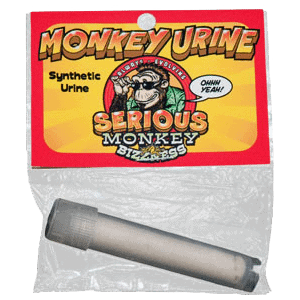 When seeking reliable outcomes, it’s advisable to turn to reputable brands such as Monkey whizz dehydrated urine. Renowned for its straightforward and comprehensive drug testing solutions, this brand guarantees a trouble-free experience when its directions are diligently followed.
References:
- Raouf, M. (2018, April 1). A Practical Guide to Urine Drug Monitoring. PubMed Central (PMC). https://www.ncbi.nlm.nih.gov/pmc/articles/PMC6368048/
- Uric acid – blood : MedlinePlus Medical Encyclopedia. (n.d.). https://medlineplus.gov/ency/article/003476.htm
